

The 10 Most Famous Paintings You Can Paint by Numbers (And Why They Matter)
Article Summary
We have curated the 10 most iconic artworks in history that are available as paint by numbers kits. These aren't just pretty pictures; they are lessons in colour, light, and emotion. Discover why they matter, and what it feels like to paint them.
Walking through a museum is passive. You look, you nod, you move on. But painting? That is active. To paint a masterpiece is to reverse-engineer the decisions of the artist. You stop looking at the image and start seeing the strokes.
Here are the 10 most famous paintings you can recreate at home, ranked by their impact on art history and the unique experience they offer to you as a painter.
Pro Tip: All these kits are available in our Famous Artists Collection. They come with everything you need: canvas, paints, and brushes.
1. The Starry Night by Vincent van Gogh
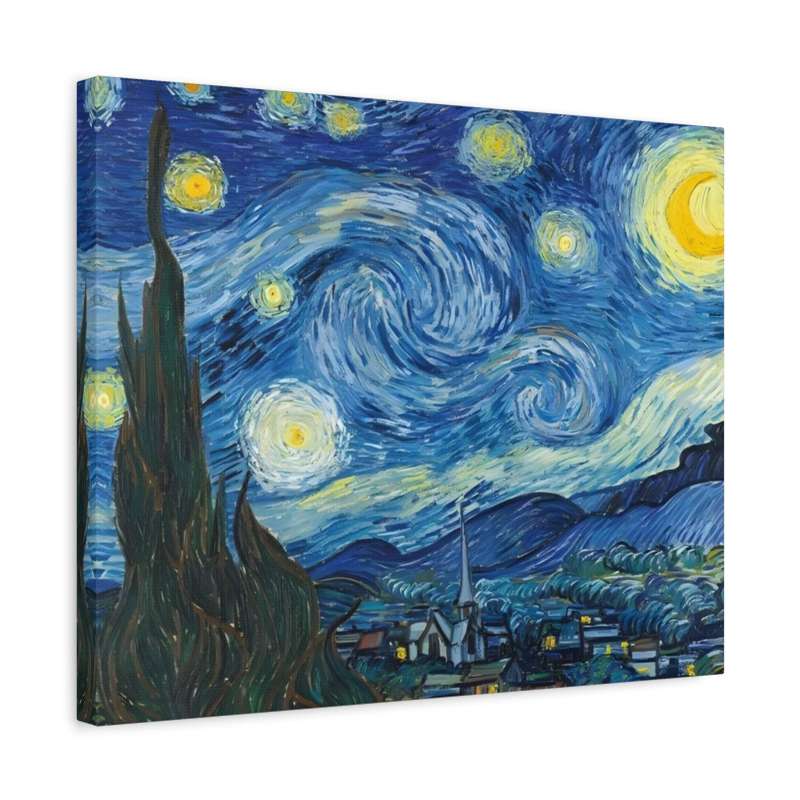
Recreate the swirling rhythms of Van Gogh's most famous night sky.
Why it matters: This is the most recognized landscape in modern art. Painted from an asylum window, it isn't a realistic view of the night sky; it's a map of Van Gogh's emotions. The swirling sky represents a mind that couldn't sit still.
The painting experience: This is all about rhythm. The short, dashed strokes force you into a flow state. It’s chaotic yet structured, making it deeply satisfying to complete.
2. The Kiss by Gustav Klimt
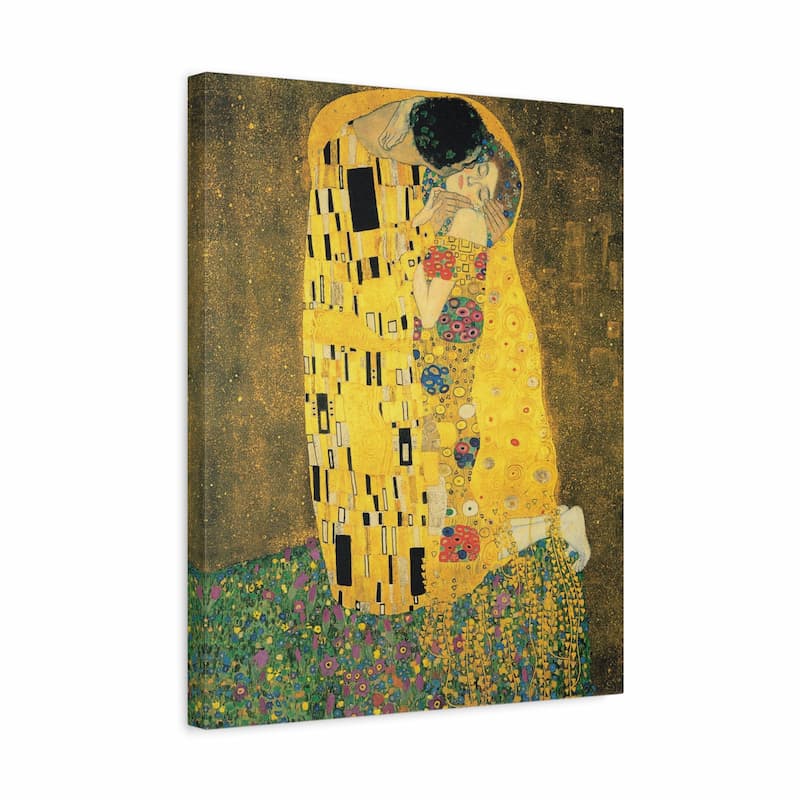
Capture the golden embrace of Klimt's masterpiece.
Why it matters: Klimt’s Golden Phase was a rebellion against traditional art. He treated the human form like jewelry, dissolving the figures into gold leaf and pattern. It’s a symbol of love that feels sacred and suspended in time.
The painting experience: This kit is a puzzle of geometry versus organic shape. You’ll spend time filling in the rigid rectangles of the male figure and the soft circles of the female figure, watching them lock together perfectly.
3. The Japanese Bridge (Water Lilies) by Claude Monet

Paint the peaceful reflections of Giverny.
Why it matters: Monet spent the last 30 years of his life painting his own garden. He didn't care about the object; he cared about the light hitting the object. This painting captures that fleeting, shimmering atmosphere of a summer afternoon.
The painting experience: Meditative. There are no hard lines here. You will work with a soothing palette of greens, teals, and pinks, letting the colours blend optically to create the water’s reflection.
Shop The Japanese Bridge Kit →
4. The Great Wave off Kanagawa by Katsushika Hokusai
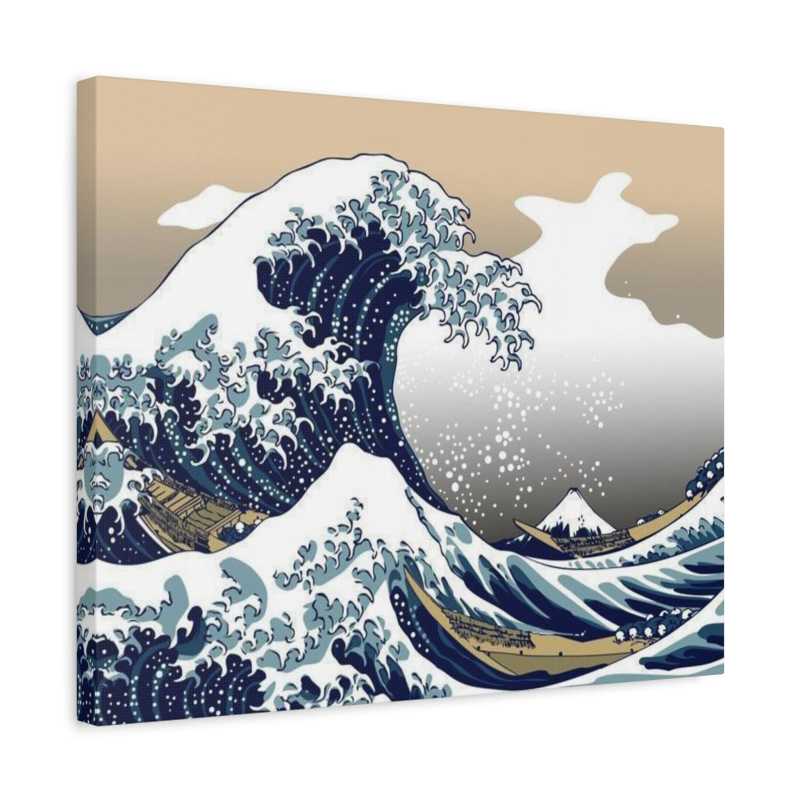
Bring the power of the ocean into your space.
Why it matters: This woodblock print is a masterclass in tension. The massive, claw-like wave frames the tiny, distant Mount Fuji. It’s a reminder of nature’s power and durability.
The painting experience: Crisp and clean. Unlike the fuzzy edges of Impressionism, this piece relies on bold lines and distinct blocks of Prussian Blue. It feels graphic, modern, and powerful.
5. Girl with a Pearl Earring by Johannes Vermeer
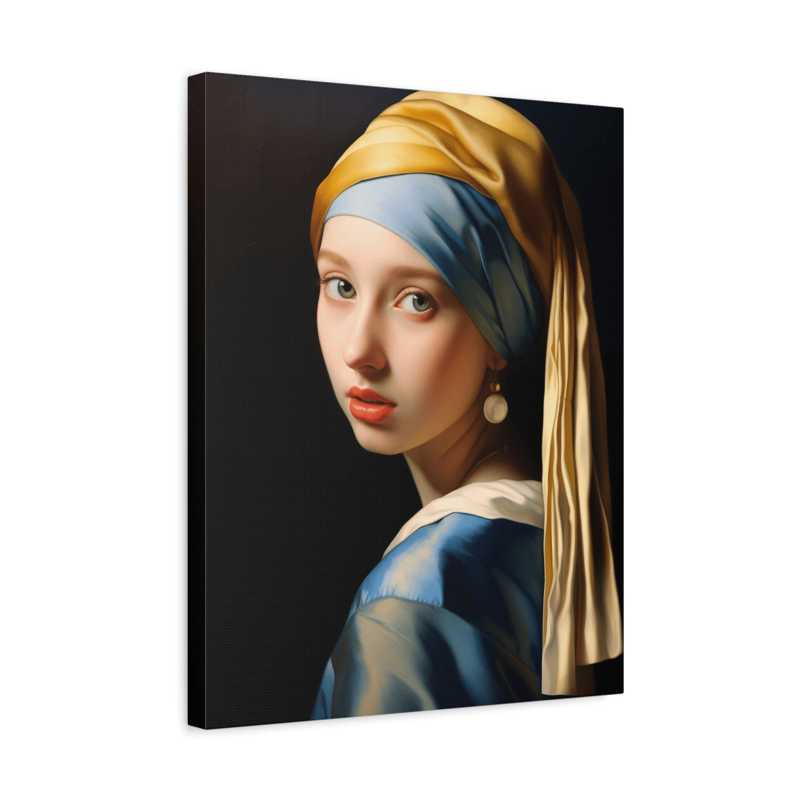
A study in light, shadow, and mystery.
Why it matters: Often called the "Mona Lisa of the North," this painting is famous for what it doesn't show. The background is stark dark, pushing the girl’s luminous face and that single, reflective pearl forward.
The painting experience: A lesson in subtlety. You will focus on the gentle gradients of skin tone and the bright, singular highlight of the pearl. It’s intimate and quiet.
Shop Girl with a Pearl Earring Kit →
6. The Scream by Edvard Munch
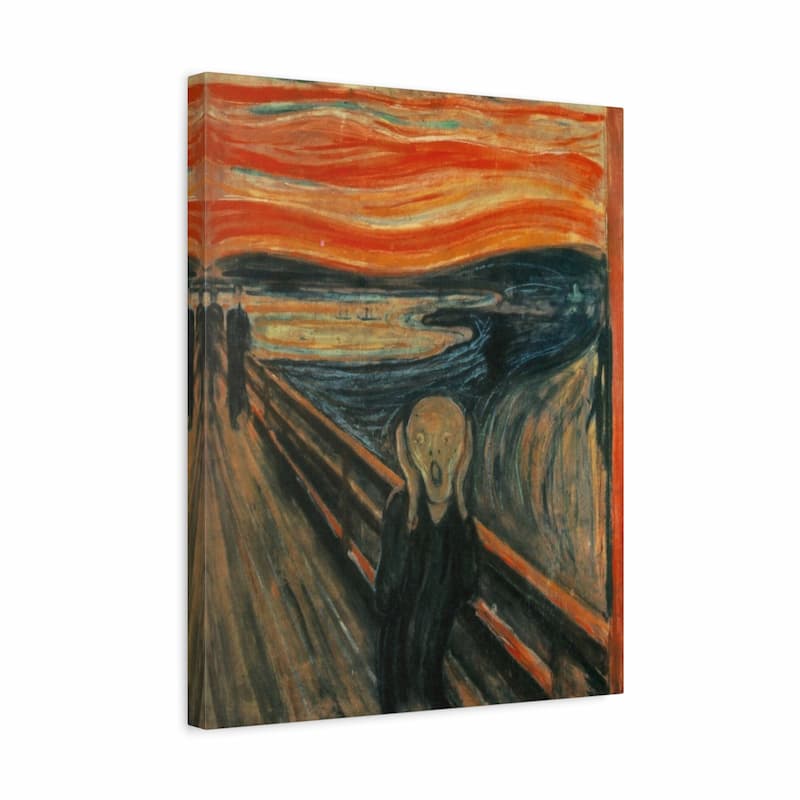
Express emotion through bold colour and swirling lines.
Why it matters: If Van Gogh painted emotion, Munch painted anxiety. This isn't a portrait of a person screaming; it’s a portrait of nature screaming at the person. The colours are jarring, fiery, and deliberate.
The painting experience: Cathartic. The long, wavy lines of the sky and bridge feel like an exhale. It’s bold, expressive, and totally different from painting a standard landscape.
7. Sunflowers by Vincent van Gogh
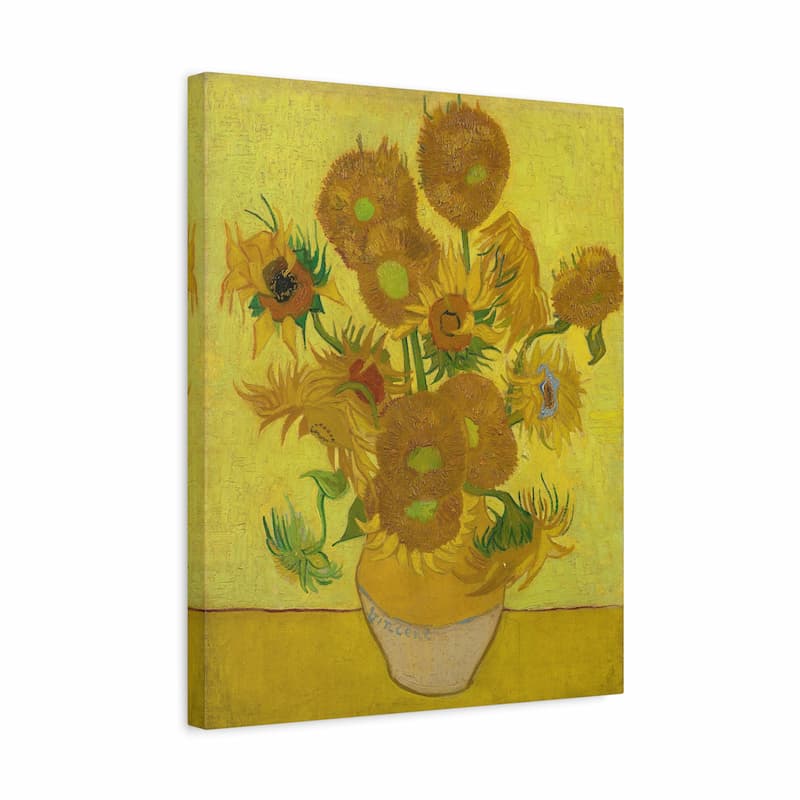
Brighten any room with Van Gogh's radiant yellows.
Why it matters: Van Gogh painted these to welcome his friend Paul Gauguin to Arles. They represent gratitude. The sheer amount of yellow, from pale lemon to burnt ochre, was groundbreaking at the time.
The painting experience: Warm and energetic. You’ll use thick applications of colour to mimic the heavy impasto texture of the original petals. It’s impossible to paint this without feeling a little brighter.
8. A Sunday on La Grande Jatte by Georges Seurat
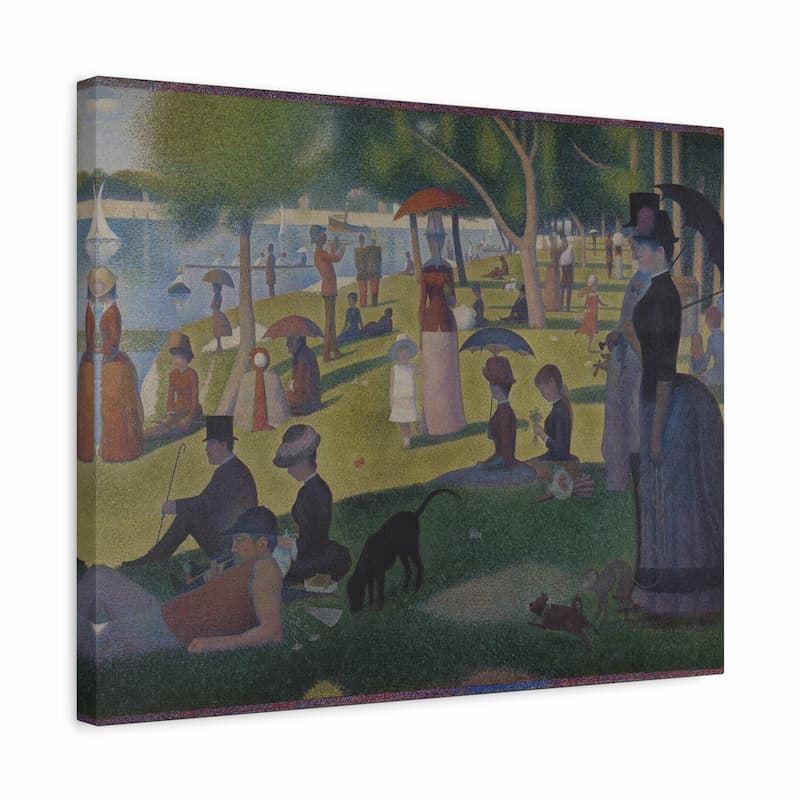
A methodical masterpiece perfect for patient painters.
Why it matters: Seurat didn't mix paint on a palette; he let the viewer's eye do the work. By placing tiny dots of opposing colours next to each other, he created a vibrating, luminous effect called Pointillism.
The painting experience: The ultimate test of patience. This kit is structured and detailed. It’s perfect for the perfectionist who loves watching a complex scene emerge from thousands of small shapes.
9. Mona Lisa by Leonardo da Vinci
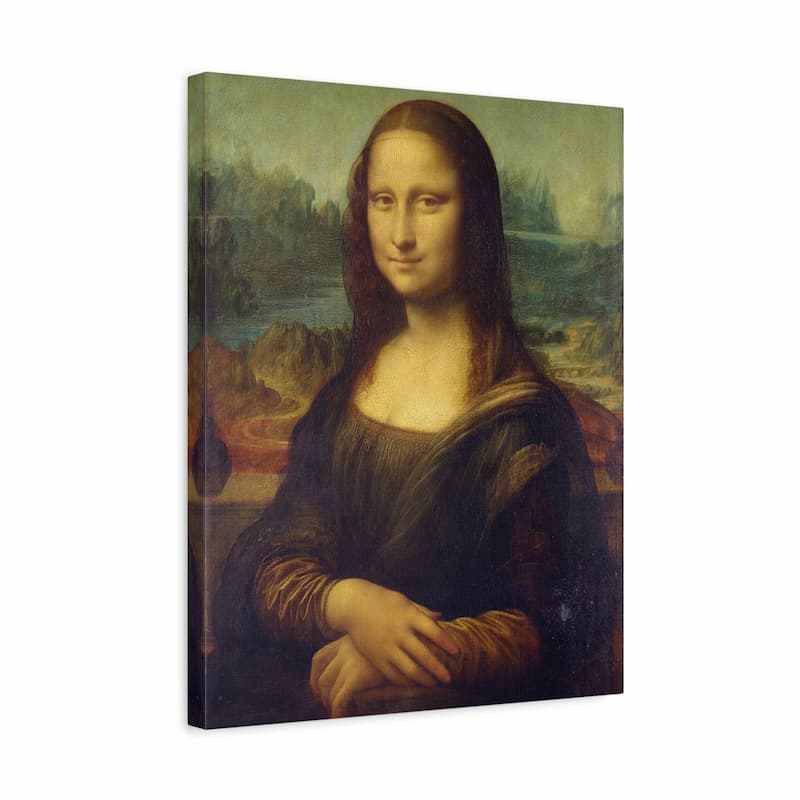
The most famous face in the world, in your own home.
Why it matters: It’s the most famous face on earth. Da Vinci used sfumato (smoke-like blending) to blur the corners of her eyes and mouth, creating that elusive expression that changes every time you look at it.
The painting experience: Challenging and rewarding. You will work with earthy, subdued tones to create soft shadows. It teaches you that you don't need bright colours to create a striking image.
10. Luncheon of the Boating Party by Pierre-Auguste Renoir
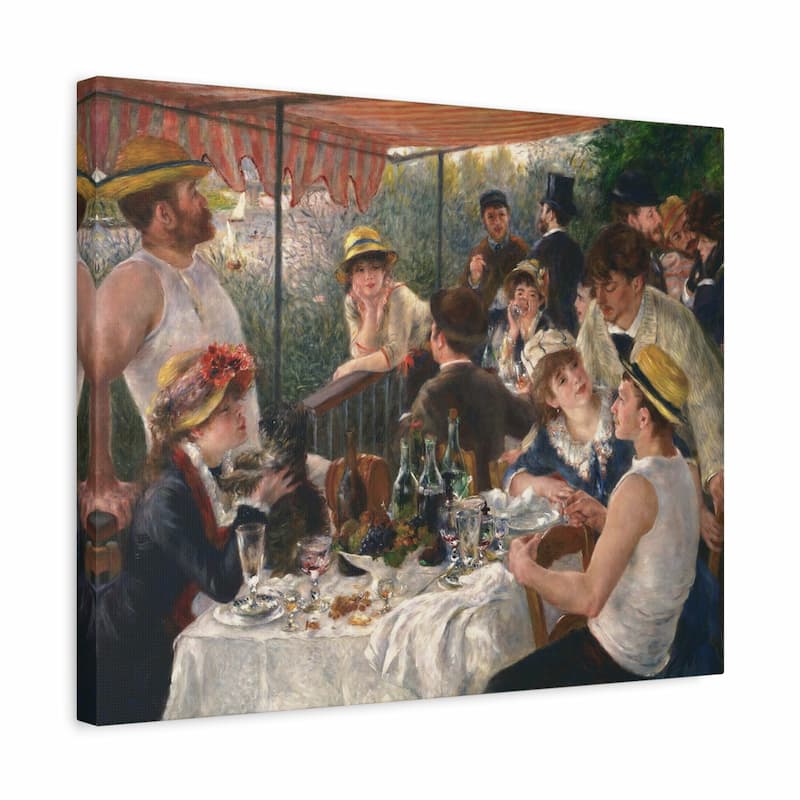
A lively scene of friendship, food, and connection.
Why it matters: This is a snapshot of the good life. Renoir painted his real friends sharing food and wine by the river. It captures the warmth of human connection better than almost any other painting in history.
The painting experience: A social gathering on canvas. You’ll paint glasses, hats, foliage, and faces. It’s a busy, happy composition that feels like you’re sitting right there at the table.
Shop Luncheon of the Boating Party Kit →
Ready for Your Next Project?
Now that you have seen the greatest hits, you have space on your easel for a new challenge. Explore our best-selling collection.
Start Your Next Masterpiece